Fads and advancements Transforming the Landscape of Aluminum Foundry Procedures
The aluminum foundry market is undergoing substantial modifications due to technical improvements. Automation, expert system, and sustainable practices go to the leading edge of this transformation. These advancements promise to boost efficiency, maximize production procedures, and decrease ecological impact. As these fads remain to advance, they increase vital concerns concerning the future of aluminum manufacturing and its duty in different sectors. What ramifications might these adjustments hold for the market and its stakeholders?
Advanced Automation in Aluminum Foundries
As the need for premium and efficient aluminum items remains to increase, numerous foundries are increasingly embracing innovative automation technologies. Aluminum Casting. These developments streamline different procedures, enhancing efficiency and lowering labor costs. Robotic systems, for circumstances, are utilized for tasks such as mold and mildew handling, putting, and finishing, guaranteeing uniformity and accuracy
Automated high quality control systems are additionally ending up being usual, using sensing units and cameras to identify flaws in real-time, thereby lessening waste and rework. Additionally, the combination of programmable reasoning controllers (PLCs) permits much better surveillance and control of assembly line, facilitating quicker modifications in action to transforming needs.
The use of automated led cars (AGVs) enhances material transportation within the foundry, further enhancing functional performance. Through these developments, aluminum foundries are not only satisfying market needs however likewise positioning themselves as leaders in lasting production methods.
The Role of Expert System in Manufacturing Optimization
Advanced automation innovations have established the phase for the combination of expert system (AI) in aluminum foundries, substantially boosting production optimization. AI systems evaluate large amounts of information created during the production procedure, offering insights that bring about boosted effectiveness and lowered waste. These systems can determine patterns and patterns that human operators may overlook, making it possible for predictive maintenance and aggressive decision-making.
AI formulas optimize casting procedures by readjusting specifications in real-time, making certain the greatest top quality outcome while decreasing problems. The execution of machine understanding in quality control procedures also improves precision, as AI can quickly examine item specifications against developed standards.
Eventually, the fostering of AI in aluminum foundries not only simplifies operations yet also encourages workforce capacities, allowing for a more active and receptive production atmosphere. By using these sophisticated modern technologies, foundries can achieve considerable gains in performance and operational excellence.
Lasting Practices and Their Influence On Environmental Impact
How can aluminum foundries successfully reduce their environmental footprint while keeping efficiency? One crucial strategy is the adoption of sustainable methods, that include reusing scrap aluminum to minimize waste and conserve energy. By using closed-loop systems, foundries can significantly decrease their dependence on virgin products, thereby decreasing carbon discharges connected with removal and handling.
Implementing energy-efficient technologies, such as advanced melting furnaces and warm recovery systems, can considerably decrease power consumption. Changing to eco-friendly power sources better boosts sustainability, enabling foundries to operate with a reduced ecological influence.
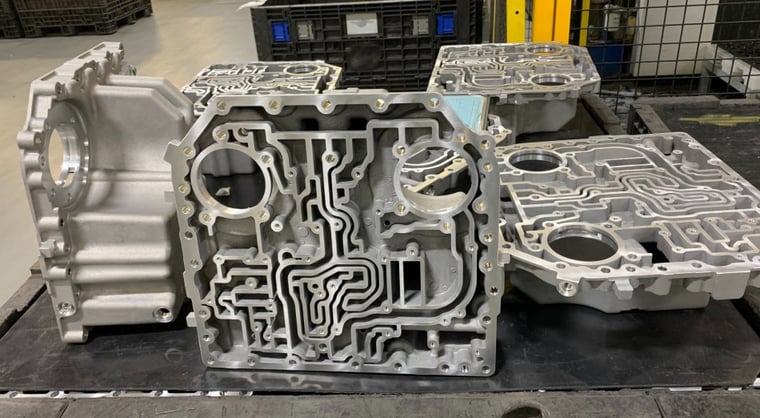
Smart Production Technologies Enhancing Efficiency

Robot systems enhance repeated tasks, ensuring regular top quality while freeing human workers to concentrate on more complicated tasks. Furthermore, IoT connectivity assists in seamless communication across the production line, improving sychronisation and responsiveness to market demands. As a result, aluminum foundries can accomplish higher throughput and enhanced high quality control, positioning themselves competitively in a quickly developing industry landscape. The fostering of these clever technologies signifies a transformative change in the direction continue reading this of performance and technology in foundry procedures.
The Future of Lightweight Aluminum Products in Different Industries
As markets progressively prioritize sustainability and efficiency, the demand for lightweight aluminum items is predicted to expand significantly. This change is especially apparent in industries such as automotive, aerospace, and construction, where lowering weight straight contributes to boosted gas effectiveness and lower exhausts. Suppliers are introducing in aluminum alloys and construction techniques to generate parts that are not only lighter yet additionally more powerful and much more durable.
The auto sector, for instance, is embracing aluminum to meet stringent gas economic situation requirements while maintaining safety and security and efficiency. In a similar way, aerospace firms are leveraging light-weight aluminum to boost airplane efficiency. In building, aluminum's versatility enables innovative styles that lower material use without compromising architectural stability.
As modern technology advancements, including the assimilation of wise production and recycling processes, the future of light-weight aluminum products appears intense, encouraging visite site to sustain a much more effective and lasting industrial landscape.

Often Asked Inquiries
What Are the Main Challenges Dealing With Aluminum Foundries Today?
Light weight aluminum foundries today deal with obstacles such as climbing power prices, ecological regulations, labor lacks, competition from advanced manufacturing technologies, and the requirement for enhanced sustainability methods to satisfy market needs and client expectations effectively.
Just How Does Aluminum Recycling Effect Foundry Procedures?
Light weight aluminum recycling considerably influences foundry operations by minimizing basic material expenses, advertising sustainability, and enhancing production efficiency. It permits foundries to minimize waste while satisfying increasing need for environment-friendly techniques in the aluminum industry.
What Certifications Are Important for Aluminum Foundries?
ISO 9001 for high quality administration, ISO 14001 for environmental monitoring, and AS9100 for aerospace criteria are necessary accreditations for aluminum foundries. These qualifications enhance operational effectiveness, assurance item high quality, and advertise sustainable techniques within the sector.
Exactly How Do Labor Prices Affect Aluminum Foundry Profitability?
Labor prices substantially impact aluminum foundry productivity, as higher incomes can minimize margins while reliable labor management can enhance efficiency. Balancing these factors is important for keeping competition and financial health in the market.
What Are Typical Problems in Aluminum Castings and Their Reasons?
Common flaws in aluminum castings consist of porosity, contraction, and surface imperfections. These problems typically emerge from incorrect melting temperatures, insufficient mold style, and contamination during the casting procedure, ultimately impacting the top quality and performance of the final item.
Advanced automation innovations have set the stage for the combination of fabricated intelligence (AI) in aluminum foundries, considerably improving manufacturing optimization. aluminum casting company. Exactly how can aluminum foundries successfully minimize their ecological impact while keeping productivity? While aluminum foundries deal with boosting needs for efficiency and efficiency, the assimilation of wise production modern technologies offers a compelling service. Aluminum reusing considerably effects foundry procedures by decreasing raw material expenses, promoting sustainability, and boosting production efficiency. browse this site Labor costs noticeably influence aluminum foundry earnings, as higher earnings can decrease margins while reliable labor monitoring can improve performance
Comments on “How an aluminum foundry plays a crucial role in the aerospace sector”